Home

Main menu

  • Home
  • Why ETI
    • Why join ETI
  • ETI Base Code
    • Base Code overview
    • Base Code clause 1: Employment is freely chosen
    • Base Code clause 2: Freedom of association
    • Base Code clause 3: Working conditions are safe and hygienic
    • Base Code clause 4: Child labour shall not be used
    • Base Code clause 5: Living wages are paid
    • Base Code clause 6: Working hours are not excessive
    • Base Code clause 7: No discrimination is practiced
    • Base Code clause 8: Regular employment is provided
    • Base Code clause 9: No harsh or inhumane treatment is allowed
  • Our approach
    • Membership
    • Programmes
    • Transparency
    • Meaningful stakeholder engagement (MSE)
  • Our expertise
    • Climate change & Just transitions
    • Crisis response
    • Gender equality in supply chains
    • Worker representation
    • Forced labour & modern slavery
    • Responsible purchasing practices
      • RPP in manufacturing
    • Human rights due diligence
      • HRDD legislation tracker
  • Resources
    • Guidance & reports
    • Blog
      • Blog series: Tackling gender-based violence through GRACE
    • Case studies
    • Training
    • Events
      • ETI Insights series
    • Impact report 2024-25
  • About ETI
    • Who we are
      • ETI's origins
    • What we do
    • Our members
      • Public reporting performance
    • Global presence
    • Governance
    • Our team
      • ETI Board members

Blog

Uyghur workers in global supply chains: ETI position statement 

8 July 2021
ETI updates this position statement as this situation evolves.
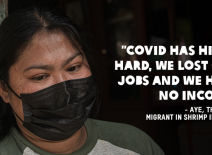
Women like Ma-O have been the shock absorbers of the pandemic while supermarket owners have reaped the financial gains.

Corona Boom: How supermarkets became pandemic winners while women workers lose out

7 July 2021
The latest evidence that in-work poverty and violations of workers' rights remain systemic to global food supply chains, with women workers left to absorb the shock of the Covid crisis.

A new vision and roadmap for the garment industry

23 June 2021
New metrics and a roadmap to drive systemic change across the garment industry, from The Industry We Want
Smiling man wearing high-viz and PPE, with construction industry truck in background

ETI welcomes GRS Building Products

11 June 2021
We welcome ETI's latest member, GRS Building Products
Colourful illustration of masked workers

ETI and Partner Africa help African agricultural suppliers mitigate risk of Covid-19 

9 June 2021
A complete resource pack with practical guidance on how to manage Covid-19 outbreaks in the workplace.
Cocoa harvest, ALDI SOUTH

How does ETI help ALDI realise its vision for improving human rights by 2030?

27 May 2021
ALDI's new strategy to make sustainability affordable.
Seafarer in hardhat and face mask

ETI members part of ground-breaking HRDD toolkit for seafarers

7 May 2021
Guidance and checklist on how to identify and address human rights risks through the due diligence process.

ETI signs Seafood Working Group (SWG) statement to highlight weaknesses in the (FISH) Standard for Crew 

29 April 2021
Global coalition puts out critical statement detailing shortfalls of FISH Standard for Crew.

Labour Rights Abuses on Kenyan avocado farm: Update April 2021

23 April 2021
ETI Acknowledges progress and calls for continued engagement and monitoring of improvements.

ETI Foundation member Seasalt graduates to full membership

1 April 2021
As Cornwall-based ETI member Seasalt graduates from foundation to full ETI membership, the company's Business Communications Consultant, Peter Evans outlines how a solid ethical trade strategy, supported by ETI and its wider community, will be a key to achieving further international growth.


ETI responds to allegations of serious labour rights abuses in the Lujeri tea Estate in Malawi 

30 March 2021
ETI responds to allegations of serious labour rights abuses in the Luieri tea Estate in Malawi 

Turkmenistan cotton harvest continued to use forced labour in 2020

23 March 2021
A guest blog from Rocio Domingo-Ramos, Business and Human Rights Policy and Research Officer at Anti-Slavery International urges brands to stop sourcing cotton from Turkmenistan and to sign the Turkmen Cotton Pledge

Pagination

  • Previous page ‹‹
  • Page 24
  • Next page ››

Get the latest

Subscribe to our email newsletters and stay up to speed on responsible business.

Subscribe

ETI elsewhere

  • Twitter
  • LinkedIn
  • YouTube

Footer

  • ETI Community
  • Accessibility
  • Contact
  • FAQ
  • Jobs at ETI
  • Press resources
  • Security & privacy
Other ETIs: Bangladesh, Denmark, Norway, Sweden
Ethical Trading Initiative | Registered No. 3578127