Home

Main menu

  • About ETI
    • Our members
      • Public reporting performance
    • Who we are
      • ETI's origins
    • What we do
    • Global presence
    • Governance
    • Our team
      • ETI Board members
    • Our Strategy
  • Home
  • Why ETI
    • Why join ETI
  • ETI Base Code
    • Base Code overview
    • Base Code clause 1: Employment is freely chosen
    • Base Code clause 2: Freedom of association
    • Base Code clause 3: Working conditions are safe and hygienic
    • Base Code clause 4: Child labour shall not be used
    • Base Code clause 5: Living wages are paid
    • Base Code clause 6: Working hours are not excessive
    • Base Code clause 7: No discrimination is practiced
    • Base Code clause 8: Regular employment is provided
    • Base Code clause 9: No harsh or inhumane treatment is allowed
  • Our approach
    • Membership
    • Programmes
    • Transparency
    • Meaningful stakeholder engagement (MSE)
  • Our expertise
    • Climate change & Just transitions
    • Crisis response
    • Gender equity in supply chains
    • Worker representation
    • Forced labour & modern slavery
    • Responsible purchasing practices
      • RPP in manufacturing
    • Human rights due diligence
      • HRDD legislation tracker
  • Resources
    • Guidance & reports
    • Blog
      • Blog series: Extreme heat and risks to workers
      • Blog series: Tackling gender-based violence through GRACE
    • Issues
      • Human rights due diligence (HRDD): a complete guide for business
        • What is human rights due diligence?
        • Human rights due diligence legislation and regulatory requirements
        • How to implement human rights due diligence in your company
        • HRDD risk assessment for supply chains
        • Supplier engagement and human rights due diligence
      • Forced labour & modern slavery: a complete guide for business
        • What is modern slavery? Definitions, forms and scale
        • How to identify forced labour in your supply chain
        • Remediation: what to do when forced labour is found
        • Modern slavery legislation: what businesses need to know
        • EU Forced Labour Regulation: what it means for your business
        • How to write a modern slavery statement
        • High-risk sectors and sourcing regions for forced labour
        • Forced labour and migrant workers in supply chains
      • Responsible purchasing practices: what they are and why they matter
        • How to implement responsible purchasing practices
        • Responsible purchasing practices and legislation: what companies need to know
        • Responsible purchasing practices by sector
      • UK mandatory human rights due diligence: what businesses need to know
    • Case studies
    • Training
    • Events
      • ETI Insights series
    • Impact report 2024-25

Blog

Two women in conversation; Logo of NGO member, Rebuild

Rebuild East Midlands joins the Ethical Trading Initiative NGO Caucus

22 January 2026
Rebuild East Midlands has joined the Ethical Trading Initiative’s NGO caucus, bringing lived-experience insight to collaborative efforts to prevent exploitation and strengthen responsible business conduct.
OECD

ETI at the OECD Forum on Due Diligence in the Garment and Footwear Sector 2026

20 January 2026
A run down of where you can engage with us at the OECD Forum.
Women planting crops

How to use the GAIA principles to end GBVH in commercial agriculture & fisheries

14 January 2026
ETI's Collective Action Officer, Essi Vehviläinen sets out how businesses are expected to use the GAIA principles in practice.
Lisa Parrott 3

Lisa Parrott joins ETI Board as Treasurer and Non-Executive Director

6 January 2026
Experienced CFO joins ETI Board as Treasurer, bringing extensive expertise in finance, governance and risk.

"I've been where you are" – meet your expert trainer for Module 1 of ETI’s Human Rights Essentials Course

4 January 2026
ETI’s Human Rights Essentials Course gives participants a firm foundation in human rights that they can immediately bring back to their own work or business.
ETI members and colleague talking and smiling. Photo credit: ETI.

Supporting individual companies to implement HRDD

19 December 2025
Reflections on a year of challenge, collaboration and progress.
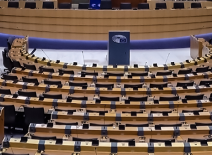
EU parliament seating

European Parliament votes in favour of Omnibus I

18 December 2025
ETI responds to the European Parliament's approval of Omnibus I package.
ETI staff and members engage in conversation. Photo credit: Shutterstock.

Looking ahead and the role of collaboration amongst brands

17 December 2025
Reflections on ETI’s GRACE project that tackles GBVH in the apparel and textile sector by Dr. Jane Pillinger. The final post of a new five-part blog series.
Lady Justice statue

ETI responds to IASC report and model legislative drafting

16 December 2025
ETI welcomes the publication of IASC's Strengthening the UK’s Forced Labour and Human Rights Legislative Framework report and accompanying Model Legislative Drafting, with reflections on additional areas our members have called for.
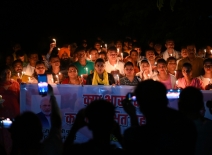
Protest over sexual violence against women in Manipur, Gurgaon, India. Photo credit: Shutterstock.

The critical role of social dialogue in GBVH prevention

16 December 2025
Reflections on ETI’s GRACE project that tackles GBVH in the apparel and textile sector by Dr. Jane Pillinger. The fourth in a new five-part blog series.
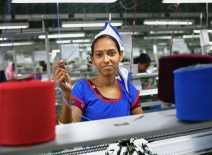
A woman garment worker looks up to the camera as she works in knitting section. Photo credit: Shutterstock.

Key lessons for gender-responsive human rights due diligence

12 December 2025
Reflections on ETI’s GRACE project that tackles GBVH in the apparel and textile sector by Dr. Jane Pillinger. The third in a new five-part blog series.
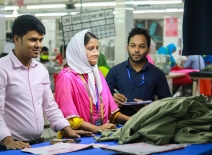
Male and female garment workers, Bangladesh

Blog series: Tackling gender-based violence through GRACE

11 December 2025
A five-part blog series on ETI’s 18-month Gender Responsive Action Community (GRACE) programme, which established a community of practice in the A&T sector, to improve policies, processes, and practices to prevent and address GBVH in suppliers' supply chains.

Pagination

  • Previous page ‹‹
  • Page 4
  • Next page ››

Get the latest

Subscribe to our email newsletters and stay up to speed on responsible business.
Subscribe

ETI elsewhere

  • Twitter
  • LinkedIn
  • YouTube

Footer

  • ETI Community
  • Accessibility
  • Contact
  • FAQ
  • Jobs at ETI
  • Press resources
  • Security & privacy
Other ETIs: Bangladesh, Denmark, Norway, Sweden
Ethical Trading Initiative | Registered No. 3578127