Home

Main menu

  • Home
  • Why ETI
    • Why join ETI
  • ETI Base Code
    • Base Code overview
    • Base Code clause 1: Employment is freely chosen
    • Base Code clause 2: Freedom of association
    • Base Code clause 3: Working conditions are safe and hygienic
    • Base Code clause 4: Child labour shall not be used
    • Base Code clause 5: Living wages are paid
    • Base Code clause 6: Working hours are not excessive
    • Base Code clause 7: No discrimination is practiced
    • Base Code clause 8: Regular employment is provided
    • Base Code clause 9: No harsh or inhumane treatment is allowed
  • Our approach
    • Membership
    • Programmes
    • Transparency
    • Meaningful stakeholder engagement (MSE)
  • Our expertise
    • Climate change & Just transitions
    • Crisis response
    • Gender equality in supply chains
    • Worker representation
    • Forced labour & modern slavery
    • Responsible purchasing practices
      • RPP in manufacturing
    • Human rights due diligence
      • HRDD legislation tracker
  • Resources
    • Guidance & reports
    • Blog
      • Blog series: Tackling gender-based violence through GRACE
    • Case studies
    • Training
    • Events
      • ETI Insights series
    • Impact report 2024-25
  • About ETI
    • Who we are
      • ETI's origins
    • What we do
    • Our members
      • Public reporting performance
    • Global presence
    • Governance
    • Our team
      • ETI Board members

Blog

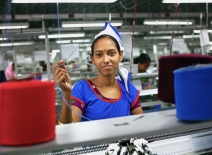
A woman garment worker looks up to the camera as she works in knitting section. Photo credit: Shutterstock.

Key lessons for gender-responsive human rights due diligence

12 December 2025
Reflections on ETI’s GRACE project that tackles GBVH in the apparel and textile sector by Dr. Jane Pillinger. The third in a new five-part blog series.
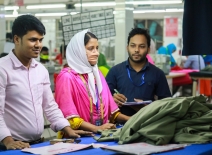
Male and female garment workers, Bangladesh

Blog series: Tackling gender-based violence through GRACE

11 December 2025
A five-part blog series on ETI’s 18-month Gender Responsive Action Community (GRACE) programme, which established a community of practice in the A&T sector, to improve policies, processes, and practices to prevent and address GBVH in suppliers' supply chains.
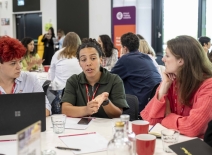
ETI members engaging in discussions at ETI Member Day 2024.

The benefits for GRACE members

11 December 2025
Reflections on ETI’s GRACE project that tackles GBVH in the apparel and textile sector by Dr. Jane Pillinger. The second in a new five-part blog series.
Indonesia Garment factory production line

Why a Community of Practice is required

10 December 2025
Reflections on ETI’s GRACE project that tackles GBVH in the apparel and textile sector by Dr. Jane Pillinger. The first in a new five-part blog series.
Leather worker, Turkey

Why meaningful collaboration is essential for real progress in the leather supply chain

5 December 2025
As climate and due-diligence regulations stall, the leather industry faces rising risks it cannot solve alone. Discover why real progress now depends on shared responsibility, worker-centred action, and sector-wide collaboration.
Women planting crops

Women’s collective action and gender just transitions

3 December 2025
A new PhD research partnership between Northumbria University, the Ethical Trading Initiative and Women Working Worldwide investigates what gender-just transitions could look like in global food supply chains. The project explores how women workers’ experiences and collective organising can inform fair, climate-resilient approaches across agricultural supply chains.
Muthur, Sri Lanka, November 30th 2025 - Flooded houses surrounded by murky water. Photo credit: Shutterstock.

Extreme Weather in South & Southeast Asia: Recommendations for responsible business action

2 December 2025
ETI shares key information on the evolving context in Sri Lanka, Indonesia, Thailand, and Malaysia, with recommendations for responsible business conduct.
Garment worker

ETI responds to new research on garment workers’ rights across South Asia

27 November 2025
New research from Amnesty International shines a necessary light on endemic human rights abuse endured by garment workers in Bangladesh, India, Pakistan and Sri Lanka, with clear recommendations for states, authorities and sourcing brands. ETI is working closely with Amnesty International and our members to drive meaningful progress on FoA in their supply chains.
Crop spraying, arial, 2000x340

Driving Responsible Business in 2024–25: What ETI members achieved together

24 November 2025
A glimpse of ETI's impact from the last financial year.
BAM activists hold up a sign calling for Just Transition. Photo by IISD/ENB | Mike Muzurakis

10 actions business can take on just transition now

14 November 2025
As COP30 takes place in Brazil this week, ETI's Just Transitions Advisor shares key actions responsible businesses can take before the gavel falls.

Embedding accountability in purchasing practices: reflections from the UN Responsible Business and Human Rights Forum

5 November 2025
Purchasing decisions shape the lives of millions of workers, yet for decades the focus on improving labour conditions has been concentrated at the point of production.
COP30 illustration, featuring the flag of Brazil

From Aims to Action: Why the Belém Action Mechanism matters for a just transition💥

30 October 2025
ETI welcomes the proposal from civil society for BAM on Just Transition, and calls upon Ed Miliband to put this at the centre of negotiations at COP30 in Brazil.

Pagination

  • Previous page ‹‹
  • Page 3
  • Next page ››

Get the latest

Subscribe to our email newsletters and stay up to speed on responsible business.

Subscribe

ETI elsewhere

  • Twitter
  • LinkedIn
  • YouTube

Footer

  • ETI Community
  • Accessibility
  • Contact
  • FAQ
  • Jobs at ETI
  • Press resources
  • Security & privacy
Other ETIs: Bangladesh, Denmark, Norway, Sweden
Ethical Trading Initiative | Registered No. 3578127