Home

Main menu

  • About ETI
    • Our members
      • Public reporting performance
    • Who we are
      • ETI's origins
    • What we do
    • Global presence
    • Governance
    • Our team
      • ETI Board members
    • Our Strategy
  • Home
  • Why ETI
    • Why join ETI
  • ETI Base Code
    • Base Code overview
    • Base Code clause 1: Employment is freely chosen
    • Base Code clause 2: Freedom of association
    • Base Code clause 3: Working conditions are safe and hygienic
    • Base Code clause 4: Child labour shall not be used
    • Base Code clause 5: Living wages are paid
    • Base Code clause 6: Working hours are not excessive
    • Base Code clause 7: No discrimination is practiced
    • Base Code clause 8: Regular employment is provided
    • Base Code clause 9: No harsh or inhumane treatment is allowed
  • Our approach
    • Membership
    • Programmes
    • Transparency
    • Meaningful stakeholder engagement (MSE)
  • Our expertise
    • Climate change & Just transitions
    • Crisis response
    • Gender equity in supply chains
    • Worker representation
    • Forced labour & modern slavery
    • Responsible purchasing practices
      • RPP in manufacturing
    • Human rights due diligence
      • HRDD legislation tracker
  • Resources
    • Guidance & reports
    • Blog
      • Blog series: Tackling gender-based violence through GRACE
    • Issues
      • Human rights due diligence (HRDD): a complete guide for business
        • What is human rights due diligence?
        • Human rights due diligence legislation and regulatory requirements
        • How to implement human rights due diligence in your company
        • HRDD risk assessment for supply chains
        • Supplier engagement and human rights due diligence
      • Forced labour & modern slavery: a complete guide for business
        • What is modern slavery? Definitions, forms and scale
        • How to identify forced labour in your supply chain
        • Remediation: what to do when forced labour is found
        • Modern slavery legislation: what businesses need to know
        • EU Forced Labour Regulation: what it means for your business
        • How to write a modern slavery statement
        • High-risk sectors and sourcing regions for forced labour
        • Forced labour and migrant workers in supply chains
      • Responsible purchasing practices: what they are and why they matter
        • How to implement responsible purchasing practices
        • Responsible purchasing practices and legislation: what companies need to know
        • Responsible purchasing practices by sector
    • Case studies
    • Training
    • Events
      • ETI Insights series
    • Impact report 2024-25

Breadcrumb

  1. Home
  2. case studies

Responsible Purchasing Practices: Building partnerships with suppliers

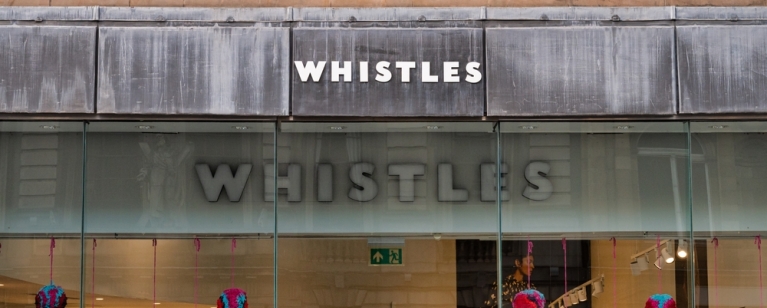
Whistles shop front in Edinburgh, Scotland. Photo credit: Shutterstock.
Organisations
TFG London

Between 2022 and 2024, Phase Eight, Whistles and Hobbs (premium womenswear brands, part of TFG London) worked with ETI to take significant initial steps to improve purchasing practices, reduce pressure on suppliers, and mitigate adverse impacts on workers. This case study explores how they progressed.

Why Responsible Purchasing Practices matter

Research shows that short-term planning, last-minute changes in order specification or volume, inaccurate forecasting and late payments all have negative effects on the management of orders and financial stability of suppliers. This in turn can lead to heightened risks to workers including excessive overtime and lower wages. 

Commercial pressures on both margins and time to market can result in last minute changes in volumes and design and oversampling, to meet customer demand and maximise sales. This case study explores how companies can overcome silos between the Sustainability/CSR and commercial teams by developing understanding, communication and joint decision-making across departments to facilitate the implementation of responsible purchasing practices and reduce adverse impacts on workers.  

The Implementation Community

The Responsible Purchasing Practices Learning and Implementation Community (LIC) is a group of 36 garment brands from Europe and the UK, brought together by ETI, Ethical Trade Norway, Fair Wear, the German Partnership for Sustainable Textiles (PST) and Solidaridad[1]. The Community had online meetings every two months for two years, exploring practical actions that can be taken to improve purchasing practices, structured according to the topics covered by the Common Framework on Responsible Purchasing Practices[2]. Every other session also included break out group discussions with manufacturers. Both CSR/Sustainability and commercial/design team members have attended the sessions, to understand the likely risks and impacts of their purchasing practices in the supply chain, and to hear from manufacturers, experts, and other companies about practical changes that can be made. The MSIs followed up with their member companies between the meetings, to support with action planning and implementation. One of the companies that the ETI supported through this process was TFG London. 

TFG London’s involvement in the LIC 

TFG London participated in the LIC, with a group attending each session from three of its womenswear brands, including CSR team, buyers and designers. They also had off-site cross-functional workshops for all three brands together, on each principle/topic to carry out the LIC exercises, embed learning, and brainstorm practical actions that could be taken. Hobbs has taken several practical steps to improve purchasing practices, which are outlined in the full case study below, and Whistles and Phase Eight are seeking to learn from this and implement similar changes. 

Continue reading this case study below.

File(s)

TFG London: Strengthening supplier partnerships

How Phase Eight, Whistles and Hobbs (premium womenswear brands, part of TFG London) improved their purchasing practices between 2022 and 2024, with support from ETI.
Read more
Footnotes

[1] The LIC was funded by the Initiative for Global Solidarity (IGS) implemented by Deutsche Gesellschaft für Internationale Zusammenarbeit (GIZ) GmbH (supported by the German Federal Ministry for Economic Cooperation and Development) and the Sustainable Textile Initiative: Together for Change (STITCH) (supported by the Dutch Government).

[2] The Common Framework for Responsible Purchasing Practices was developed in 2022 by The Ethical Trading Initiative, Ethical Trade Norway, the German Partnership for Sustainable Textiles (PST) and Fair Wear. The CFRPP is supported as the central reference point on purchasing practices in the garment industry by ETI, ET Norway, Fair Wear, PST, Solidaridad, Ethical Trade Denmark and the Fair Labor Association. 

Stay up to date

Stay up to date with the latest from ETI via the following channels:
  • Email
  • Twitter
  • LinkedIn
  • Blog RSS

Related content

  • Arcadia’s squeeze on suppliers
  • OECD 2018 Forum on human rights due diligence in the garment and footwear sector
  • Bangladesh: Partnership to promote responsible buying in the garment sector
  • Activist interest in company purchasing practices grows
  • SURVEY: Inviting suppliers to help buyers improve their purchasing practices
  • Elizabeth Warren’s Accountable Capitalism Act – will it benefit workers in the supply chain?

Get the latest

Subscribe to our email newsletters and stay up to speed on responsible business.
Subscribe

ETI elsewhere

  • Twitter
  • LinkedIn
  • YouTube

Footer

  • ETI Community
  • Accessibility
  • Contact
  • FAQ
  • Jobs at ETI
  • Press resources
  • Security & privacy
Other ETIs: Bangladesh, Denmark, Norway, Sweden
Ethical Trading Initiative | Registered No. 3578127