Home

Main menu

  • About ETI
    • Our members
      • Public reporting performance
    • Who we are
      • ETI's origins
    • What we do
    • Global presence
    • Governance
    • Our team
      • ETI Board members
    • Our Strategy
  • Home
  • Why ETI
    • Why join ETI
  • ETI Base Code
    • Base Code overview
    • Base Code clause 1: Employment is freely chosen
    • Base Code clause 2: Freedom of association
    • Base Code clause 3: Working conditions are safe and hygienic
    • Base Code clause 4: Child labour shall not be used
    • Base Code clause 5: Living wages are paid
    • Base Code clause 6: Working hours are not excessive
    • Base Code clause 7: No discrimination is practiced
    • Base Code clause 8: Regular employment is provided
    • Base Code clause 9: No harsh or inhumane treatment is allowed
  • Our approach
    • Membership
    • Programmes
    • Transparency
    • Meaningful stakeholder engagement (MSE)
  • Our expertise
    • Climate change & Just transitions
    • Crisis response
    • Gender equity in supply chains
    • Worker representation
    • Forced labour & modern slavery
    • Responsible purchasing practices
      • RPP in manufacturing
    • Human rights due diligence
      • HRDD legislation tracker
  • Resources
    • Guidance & reports
    • Blog
      • Blog series: Extreme heat and risks to workers
      • Blog series: Tackling gender-based violence through GRACE
    • Issues
      • Human rights due diligence (HRDD): a complete guide for business
        • What is human rights due diligence?
        • Human rights due diligence legislation and regulatory requirements
        • How to implement human rights due diligence in your company
        • HRDD risk assessment for supply chains
        • Supplier engagement and human rights due diligence
      • Forced labour & modern slavery: a complete guide for business
        • What is modern slavery? Definitions, forms and scale
        • How to identify forced labour in your supply chain
        • Remediation: what to do when forced labour is found
        • Modern slavery legislation: what businesses need to know
        • EU Forced Labour Regulation: what it means for your business
        • How to write a modern slavery statement
        • High-risk sectors and sourcing regions for forced labour
        • Forced labour and migrant workers in supply chains
      • Responsible purchasing practices: what they are and why they matter
        • How to implement responsible purchasing practices
        • Responsible purchasing practices and legislation: what companies need to know
        • Responsible purchasing practices by sector
      • UK mandatory human rights due diligence: what businesses need to know
    • Case studies
    • Training
    • Events
      • ETI Insights series
    • Impact report 2024-25

Blog

Statement re: ‘Fashion's Dirty Secret', Channel 4 Dispatches, 8 November

Statement re: ‘Fashion's Dirty Secret', Channel 4 Dispatches, 8 November

10 November 2010
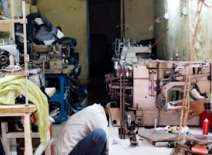
The Channel 4 Dispatches programme ‘Fashion's Dirty Secret' (8 November) exposed the unacceptable working conditions endured by some of the people who make clothes for the UK high street.
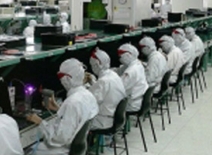
Foxconn

Foxconn suicides: Pressure on the electronics industry continues

22 September 2010
"It's time for a radical rethink of the whole approach that the electronic industry is taking to working conditions in its supply chains."
Eco fashion: not just a pretty face

Eco fashion: not just a pretty face

17 September 2010
What can we learn from the eco fashion crowd - aside from whether harem pants will still be hot next Spring?
The pressure's on to end poverty: Can ethical trade contribute?

The race is on to end poverty: Can ethical trade contribute?

17 September 2010
Work is double-edged: while it provides the main opportunity for people to escape poverty, without respect for workers' rights, it keeps them locked into it.
News story

Bangladesh: ETI joins calls for a further increase to the minimum wage

11 August 2010
The government must increase the minimum wage further, and do so swiftly.

New Ethical Trading Initiative director announced

16 July 2010
Peter McAllister, Executive Director of the International Cocoa Initiative (ICI) is to take up the role of Director of the Ethical Trading Initiative (ETI).

How the new ILO standard on HIV/AIDS can help ethical trade

15 July 2010
"HIV/AIDS is a prism through which companies can understand and start to tackle other workers’ rights issues."

Obama must not boycott Indian sandstone

18 June 2010
Imposing a blanket ban is not the solution to poor working conditions in Rajasthan.

ETI clamps down on false claims in UK stone industry

14 June 2010
ETI has written to several companies asking them to remove all statements that wrongly infer that they are ETI members from their websites and other promotional material.

Child labour: the sums need to stack up

14 June 2010
All of us in ethical trade need to do much more to help drive up wages worldwide, so that more parents can send their children to school - not out to work.

Time for action on migrant workers

8 June 2010
"All our employers are interested in is our work. When there's no work, they kick us out. We want to be treated like human beings, not like animals."

Seeing is understanding

2 June 2010
People often complain about how reality TV dumbs us down, but BBC3's recent Blood, Sweat and Luxuries and its two predecessors use the medium to great effect.

Pagination

  • Previous page ‹‹
  • Page 85
  • Next page ››

Get the latest

Subscribe to our email newsletters and stay up to speed on responsible business.

Subscribe

ETI elsewhere

  • Twitter
  • LinkedIn
  • YouTube

Footer

  • ETI Community
  • Accessibility
  • Contact
  • FAQ
  • Jobs at ETI
  • Press resources
  • Security & privacy
Other ETIs: Bangladesh, Denmark, Norway, Sweden
Ethical Trading Initiative | Registered No. 3578127