Home

Main menu

  • About ETI
    • Our members
      • Public reporting performance
    • Who we are
      • ETI's origins
    • What we do
    • Global presence
    • Governance
    • Our team
      • ETI Board members
    • Our Strategy
  • Home
  • Why ETI
    • Why join ETI
  • ETI Base Code
    • Base Code overview
    • Base Code clause 1: Employment is freely chosen
    • Base Code clause 2: Freedom of association
    • Base Code clause 3: Working conditions are safe and hygienic
    • Base Code clause 4: Child labour shall not be used
    • Base Code clause 5: Living wages are paid
    • Base Code clause 6: Working hours are not excessive
    • Base Code clause 7: No discrimination is practiced
    • Base Code clause 8: Regular employment is provided
    • Base Code clause 9: No harsh or inhumane treatment is allowed
  • Our approach
    • Membership
    • Programmes
    • Transparency
    • Meaningful stakeholder engagement (MSE)
  • Our expertise
    • Climate change & Just transitions
    • Crisis response
    • Gender equity in supply chains
    • Worker representation
    • Forced labour & modern slavery
    • Responsible purchasing practices
      • RPP in manufacturing
    • Human rights due diligence
      • HRDD legislation tracker
  • Resources
    • Guidance & reports
    • Blog
      • Blog series: Tackling gender-based violence through GRACE
    • Issues
      • Human rights due diligence (HRDD): a complete guide for business
        • What is human rights due diligence?
        • Human rights due diligence legislation and regulatory requirements
        • How to implement human rights due diligence in your company
        • HRDD risk assessment for supply chains
        • Supplier engagement and human rights due diligence
      • Forced labour & modern slavery: a complete guide for business
        • What is modern slavery? Definitions, forms and scale
        • How to identify forced labour in your supply chain
        • Remediation: what to do when forced labour is found
        • Modern slavery legislation: what businesses need to know
        • EU Forced Labour Regulation: what it means for your business
        • How to write a modern slavery statement
        • High-risk sectors and sourcing regions for forced labour
        • Forced labour and migrant workers in supply chains
      • Responsible purchasing practices: what they are and why they matter
        • How to implement responsible purchasing practices
        • Responsible purchasing practices and legislation: what companies need to know
        • Responsible purchasing practices by sector
    • Case studies
    • Training
    • Events
      • ETI Insights series
    • Impact report 2024-25

Breadcrumb

  1. Home
  2. guidance and reports

ETI insights: Responsible Purchasing Practices – Driving change in manufacturing

  • Public
  • 7 May 2025
  • Presentations
Subject(s)
Purchasing practices
ETI Insight series webinar - RPP manufacturing

Presentation and recording from ETI insights webinar, 07 May 2025. Featuring:

Mansi Gupta
Business and Human Rights expert, colors consulting

Nancy Han
Trading Director, Jin Yu Xiang He Jewelry

Paige Taylor
QA Technologist, Small World Accessories

Stephen Duce
Operations Manager, Hardscape

Eike Feddersen
Senior Project Manager, Initiative for Global Solidarity (IGS), GIZ

Melissa Karadana
Purchasing Practices Programme Lead, ETI

Other resources

File(s)

Responsible purchasing practices in manufacturing industries

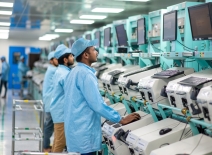
Workers at a manufacturing plant
An overview of ETI's initiative which assessed the extent to which the five overarching principles of the Common Framework for the garment and footwear sector could be effectively applied across other manufacturing sectors.
Read more
File(s)

Responsible Purchasing Practices - manufacturing case studies

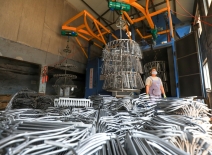
Manufacturing, China
When an audit uncovered non-compliance concerning workers' wages, SmallWorld realised that more consistent and meaningful engagement with suppliers was necessary. How Stone company Hardscape used insights from ETI’s tools to assess and improve its procurement practices, embedding responsible purchasing practices into its operations.
Read more
File(s)

Common Framework for Responsible Purchasing Practices in Manufacturing Industries (CFRPP MI)

Manufacturing
The framework is a reference point to support companies in manufacturing industries to engage with stakeholders and take practical action to improve their purchasing practices.
Read more
Page

Mining of metals & minerals

Mining
Demand for critical minerals such as lithium, cobalt, nickel, and copper puts human rights due diligence in mining under the spotlight.
Read more
Document

Responsible purchasing practices in European legislation

How the human rights aspects of CSDDD relate to the Common Framework for Responsible Purchasing Practices in Manufacturing Industries (CFRPP MI).
Read more

Related content

  • Elizabeth Warren’s Accountable Capitalism Act – will it benefit workers in the supply chain?
  • OECD 2018 Forum on human rights due diligence in the garment and footwear sector
  • SURVEY: Inviting suppliers to help buyers improve their purchasing practices
  • Arcadia’s squeeze on suppliers
  • Bangladesh: Partnership to promote responsible buying in the garment sector
  • Activist interest in company purchasing practices grows

Get the latest

Subscribe to our email newsletters and stay up to speed on responsible business.

Subscribe

ETI elsewhere

  • Twitter
  • LinkedIn
  • YouTube

Footer

  • ETI Community
  • Accessibility
  • Contact
  • FAQ
  • Jobs at ETI
  • Press resources
  • Security & privacy
Other ETIs: Bangladesh, Denmark, Norway, Sweden
Ethical Trading Initiative | Registered No. 3578127