Late payments, last-minute cancellations and price pressures aren't just commercial issues, they're human rights risks. We share reflections from a recent FTAO and ECCJ webinar on what the UTP Directive and CSDDD together mean for responsible purchasing.
Sourcing prices for basic garments have fallen 30% in real terms over two decades, and the gap between what brands pay and what responsible production costs is becoming harder to ignore. ETI's responsible purchasing lead reflects on what it would realistically take to close that gap, and what the industry needs to confront to get there.
The seafood industry is talking more about human rights, but rarely about how its own buying decisions are fuelling the problem. This piece unpacks what the Seafood Expo North America (SENA) revealed about the gap between procurement practices and ethical commitments, and what genuine change could look like.
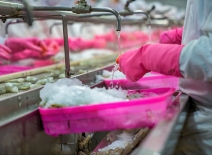
Shrimp may be one of the world’s most traded seafood products, but behind its global success lies a system where labour abuses persist despite audits, certifications and ethical commitments. This blog explores why the real solution lies not just in compliance tools, but in transforming purchasing practices, and what companies must do now to align how they buy with the human rights standards they claim to uphold.
Purchasing decisions shape the lives of millions of workers, yet for decades the focus on improving labour conditions has been concentrated at the point of production.