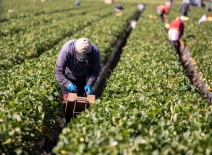
EPRS share how moving from foundation to full ETI membership helped them look beyond their own operations and commission a detailed human rights assessment across their supply chain. The result: a concrete action plan now improving conditions for workers at Eastern Produce Kenya, with similar work underway in Malawi.
ETI Chair Philip Jennings introduces ETI's Strategy 2030, setting out the organisation's roadmap for advancing human rights in global supply chains for the rest of the decade.
ETI trade union member the ITUC has published its 2026 Global Rights Index, revealing a troubling erosion of workers' rights even in countries long considered democratic and stable. General Secretary Luc Triangle makes the case for why responsible businesses cannot afford to look away.
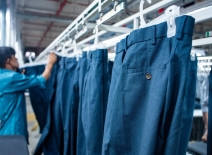
Sourcing prices for basic garments have fallen 30% in real terms over two decades, and the gap between what brands pay and what responsible production costs is becoming harder to ignore. ETI's responsible purchasing lead reflects on what it would realistically take to close that gap, and what the industry needs to confront to get there.
After more than a decade of dispute, the world's highest court has settled a critical question for workers everywhere. Here is what it means for responsible business.
Green and circular supply chains are central to climate action, but environmental progress doesn't automatically mean decent work for workers. Drawing on lessons from the SMEP programme, this blog explores what just transition looks like in practice, from occupational health and safety to worker voice and informal employment.
The King's Speech marks the opening of a new UK parliamentary session, outlining the government's legislative agenda and policy priorities for the coming year. ETI is disappointed this week's speech did not include a commitment to mandatory Human Rights and Environmental Due Diligence (mHREDD) legislation, and calls on government to reconsider.
Aquaculture workers face serious and under-reported safety and health risks: high rates of injury, fatality and occupational disease, against a backdrop of fragmented regulation and weak enforcement.
Even experienced business and human rights professionals can lack confidence in the legal foundations and frameworks that underpin their work. This blog explores how Module 1 of ETI’s Human Rights Essentials closes that gap, building clarity, confidence and practical understanding in just one focused day.
Charles Tyrwhitt's Responsible Sourcing Coordinator shares why the British menswear brand has joined ETI, and what they hope to achieve through membership.
Get the latest
Subscribe to our email newsletters and stay up to speed on responsible business.